
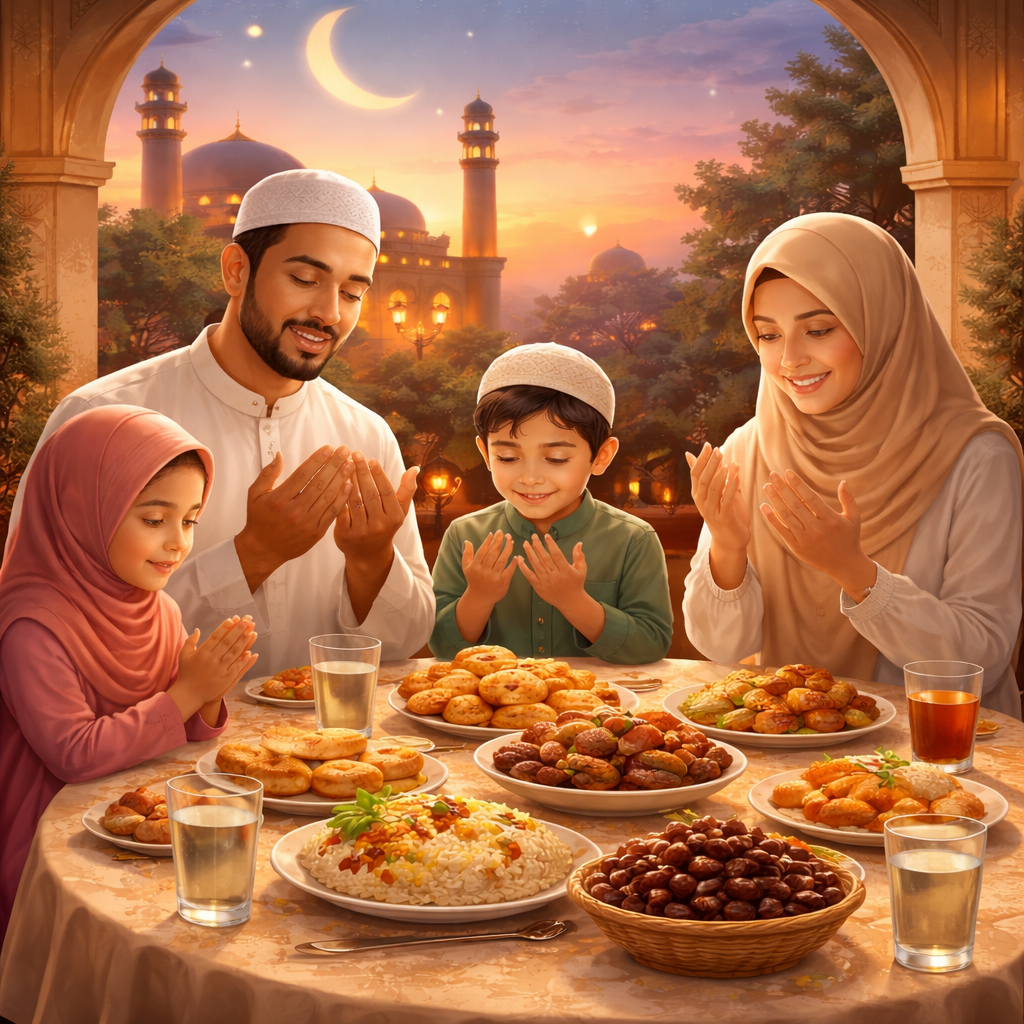
Ramadan, the ninth month of the Islamic lunar calendar, is regarded as the most sacred month for Muslims. It commemorates the time when the Quran, the holy book of Islam, was first revealed to the Prophet Muhammad (peace be upon him). For Muslims, Ramadan is a month of spiritual reflection, self-improvement, and heightened devotion.
The Practice of Fasting
The most recognized aspect of Ramadan is fasting, known as Sawm, one of the Five Pillars of Islam. Fasting is not simply a physical act of refraining from food and drink; it is a form of worship and self-discipline. From dawn (Fajr) to sunset (Maghrib), Muslims abstain from food, drink, smoking, and intimate relations. The fast is broken each day with Iftar, usually starting with dates and water, followed by a larger meal, while the day begins with Suhoor, a pre-dawn meal.
Fasting teaches patience, perseverance, and gratitude. By experiencing hunger and thirst, Muslims develop empathy for those less fortunate and learn to value the blessings they often take for granted.
Spiritual and Mental Benefits
Ramadan is a time to focus on inner growth and purification. Muslims are encouraged to:
-
Pray more frequently, including the nightly Taraweeh prayers.
-
Read and reflect on the Quran.
-
Practice mindfulness and self-restraint, avoiding negative behaviors like lying, gossiping, or anger.
-
Increase acts of charity, helping those in need through donations or volunteer work.
This month nurtures both the soul and the mind, allowing believers to strengthen their connection with God and their sense of responsibility towards others.
Health Benefits of Fasting
When approached mindfully, fasting can also benefit the body. It gives the digestive system a rest, promotes detoxification, and can encourage healthier eating habits. Proper hydration during non-fasting hours and balanced meals at Suhoor and Iftar are crucial to maintain energy and avoid fatigue.
Community and Social Bonds
Ramadan is a time of unity and togetherness. Families, friends, and neighbors often gather for Iftar meals, sharing food and strengthening relationships. Many communities organize charity drives, free Iftar events, and educational programs to support those in need.
The Culmination: Eid al-Fitr
The month ends with Eid al-Fitr, a festival of gratitude and celebration. Muslims begin the day with a special prayer, followed by feasts, gift-giving, and visits to friends and family. Eid symbolizes the completion of a month-long journey of discipline, reflection, and spiritual growth.
The True Essence of Ramadan
Ramadan is more than just fasting; it is a holistic experience of self-discipline, empathy, and spiritual rejuvenation. It is a time to purify the heart, strengthen faith, and reconnect with community. The lessons learned during this month extend far beyond Ramadan itself, encouraging a lifetime of mindfulness, generosity, and devotion.


One Response
Hi, this is a comment.
To get started with moderating, editing, and deleting comments, please visit the Comments screen in the dashboard.
Commenter avatars come from Gravatar.